

Parenting is for the long haul. We journey with our kids as they grow and through the ups and downs of life. Childhood and adolescence are periods of discovery, when children and teens try different things before discovering what suits them best. Whether it’s buying their first football boots, letting them stay up late to watch the documentary they’re fascinated by, or helping them choose the right college course, we’re there, supporting and encouraging them as they grow and change.
We can do that for them spiritually too. We’re there to support our children and teens through the ups and downs of their lives, helping them figure out their connection with God and who he’s calling them to be. The way they connect with God will come and go in waves. One minute they love youth group, the next they’re saying they don’t want to go. They happily sing along to worship songs, and then won’t open their mouths in church. They say they don’t believe in God and then seem interested again. We need to learn to surf these waves, discipling them along the way. Some of these waves will last a lifetime, others just a while – but we can come alongside the waves for as long as they last.
You can also learn more about Surfing the Waves in Session 6 of the course.
How to spot a wave
Interest
What does your child focus on? It may be a TV programme, a series of books, a game or a hobby. This will give you a clue about what’s going on in their minds.
Curiosity
What is making your kids curious? Maybe they are fascinated by the idea of mission, or are hanging around with the tech people at church. Or are they curious about the book you are reading?
Anger
Do your kids get upset about injustices they see in the world? Do they talk about wanting to help or to change it?
Stories
When your kids role play stories with others or with their toys, are there any recurring themes, such as being the rescuer or the protector or always wanting to be the nurturer?
Spontaneity
Children sometimes have ideas that seem to come from nowhere – wanting to do church at home, lighting a candle at mealtimes or sitting out on the hills at night to look at the stars. Perhaps these are driven by an emerging wave.
Questions
Children ask lots of questions, but sometimes they come out with several on the same topic or with really searching questions. This could indicate something that’s niggling them.

What do I do if...
My child shows no interest in anything spiritual?
You might not be able to spot any particular interest in God in your child, or they may be a teen who is pushing away from church, but it is unlikely that they have no interest at all. It just may not have a church tag on it. Many children are passionate defenders of the environment or have a keen sense of justice; others are very kind to others or naturally generous. Wait patiently; you will spot a wave!
He’s nothing like his brother?
Often siblings can be wired very differently. No matter how you’ve raised them or what your values are, your child has a unique spiritual make up that means they will have different waves of interest. Don’t be discouraged by this, and instead pay close attention to your children as individuals, no matter how similar they seem. You may see waves emerging from unexpected places.
I can’t keep up? Things keep changing so quickly!
Don’t worry! This is a time of experimentation and discovery, so see which waves are there to stay for a while rather than trying to do everything. Jump on board with them and facilitate – take them to that concert, or whatever – and don’t worry about missing waves. Surf the ones you see and the ones you know.
I don’t know how to surf this wave with them?
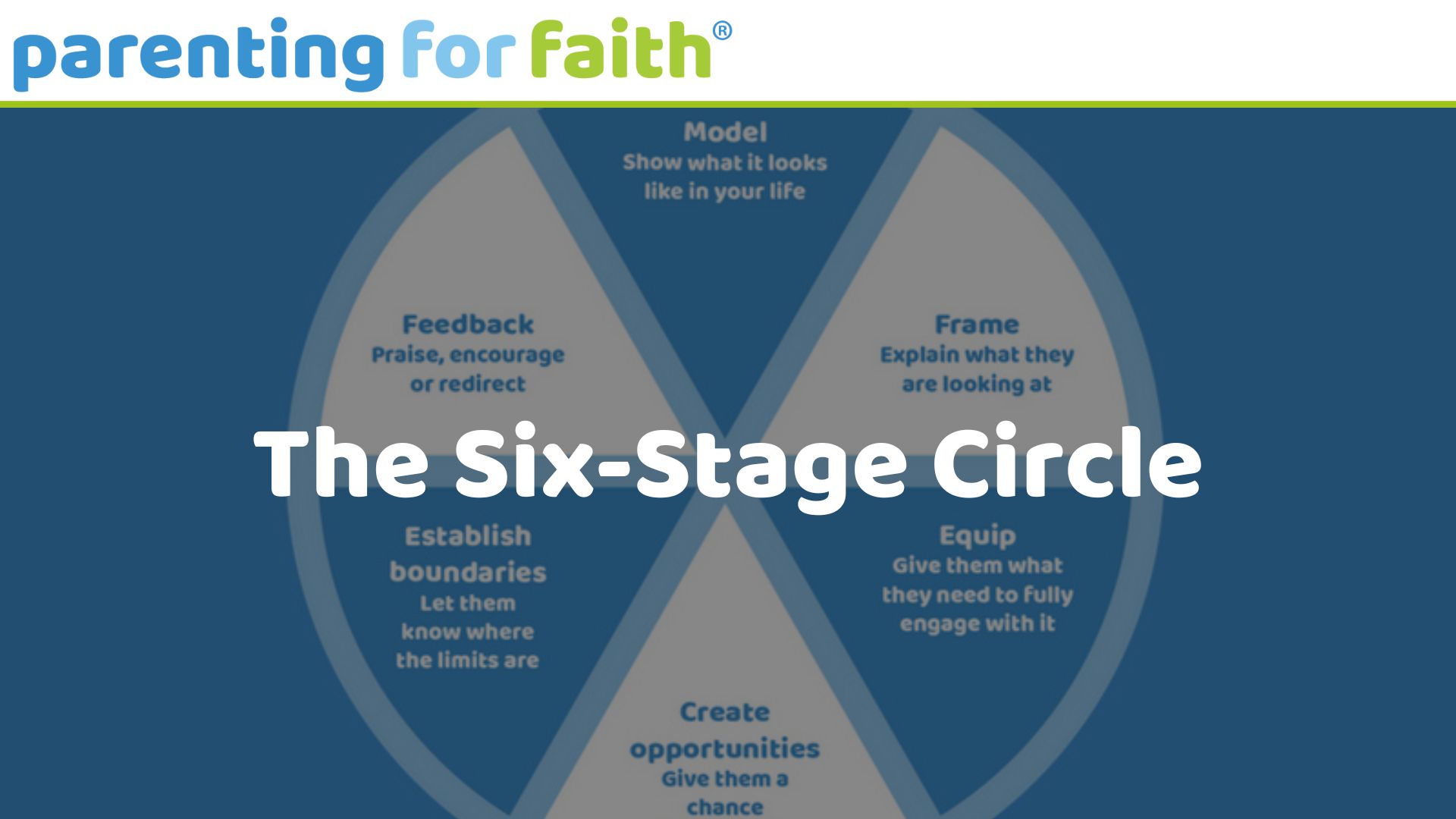
If you’re not sure where to begin, or want to proactively disciple your child in a particular skill or value, you can use the six-stage circle model. We model the skill, frame its importance, equip our child to use the skill, create opportunities for them to use it, establish boundaries as to how they use it, and finally feedback to them. But don’t worry about getting it perfectly right – support your child, encourage them and do what you can.